
Why are digital skills so important?

In a world that runs fast, evolves, and changes in previously unthinkable times, also the job world goes at the same speed. The skills today demand workers are many and increasingly specialized. These include digital skills that are not only useful in everyday life but are necessary for those in the world of work.

Digital competence appeared for the first time in a Recommendation of the European Council as a transversal skill for life. Europe has therefore recognized the importance of these complications for the life of the individual and that they go beyond the narrow notions of how, for example, to use a digital device. 

All this inevitably means that some workers are or may be cut out of the labor market. These are mainly those who do not have the digital skills required by the world of work. 

On this topic, in 2017 the European Commission published a study on ICT for work aimed at investigating the transformation of jobs in the EU digital economy. The study analyzes how jobs have changed and how digital technologies have penetrated the world of work, with the associated digital skills required. The polarization that is taking place is evident: on the one hand, the demand for highly qualified people has clearly increased, but on the other hand, it is evident how the demand for those without digital skills has drastically decreased. 

Furthermore, Covid-19 sped up the computerization process that was already in place and changed the way people can work. Now there’s a huge opportunity to work at home or from different places where there isn’t an office. This inevitably requires workers to have adequate computer and digital skills. Therefore the run leaves someone behind and without the tool to compete with the others.

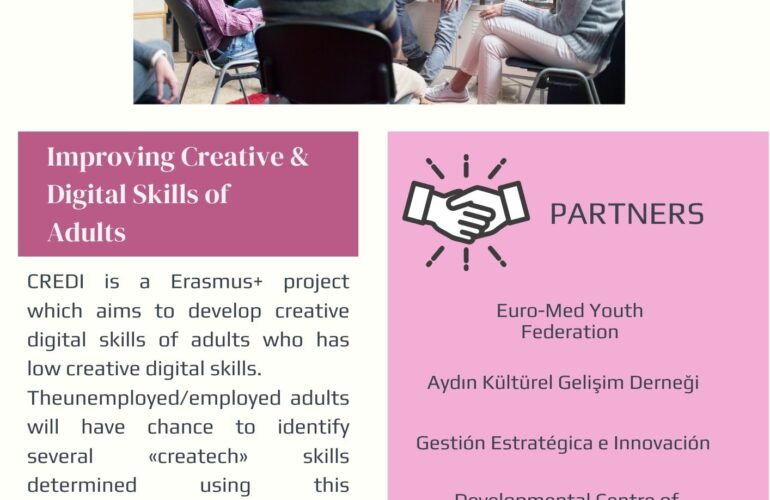
Enabling these adults without digital knowledge to be able to learn the skills they lack and be attractive in the job market is the main goal the six CREDI partners have set for themselves. 

The tools that CREDI makes available help adults reduce the gap and be competitive again in the market job. Learning digital skills could help them not only to be reintroduced but also to fill better job positions and earn better money.

How will CREDI do this? The partners had decided on different goals, six in total to aim for the project. 

The goals of the projects are:

  •  to search the “createch skills”, to understand what their roles are in the jobs market. 
  • to allow the adults to learn and develop new digital skills that will help them to get into the labor market more easily
  • to provide learning opportunities for adults in lifelong learning
  • increase the importance of creative education 
  • Develop an online self-assessment tool where adults could understand and identify the gaps in digital skills 
  • learned in the Online Training program. Provide 60  theme training courses that help them to increase their digital skills thanks to the support of 12 trainers. 

You just have to stay updated on our pages to discover the news about the project.

Source: https://epale.ec.europa.eu/en/blog/oer-digital-skills-competences-adult-learners?fbclid=IwAR06q2AKZfBIY78vCY2AUxMTDraKcZmJ3bcXvy023jWncDWoKm2zYHuuw1w 

https://www.linkedin.com/pulse/what-digital-skills-why-important-rto-managing-directorhttps://www.stafffinders.co.uk/blog/2021/10/the-importance-of-digital-skills-in-the-modern-workplace
Read more

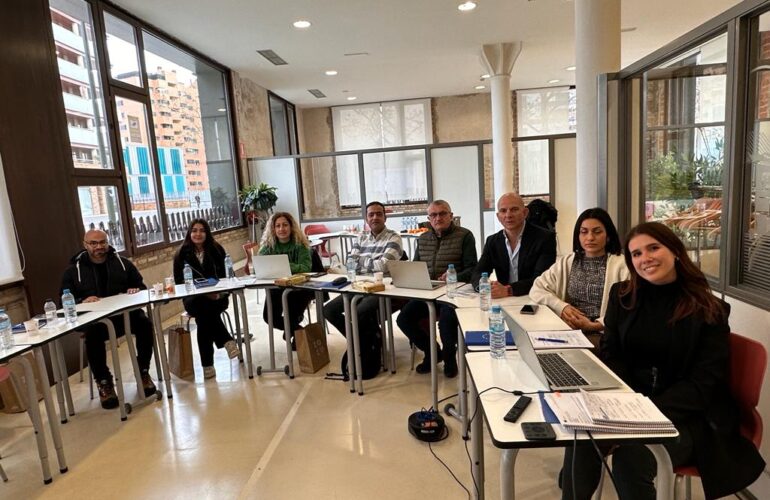
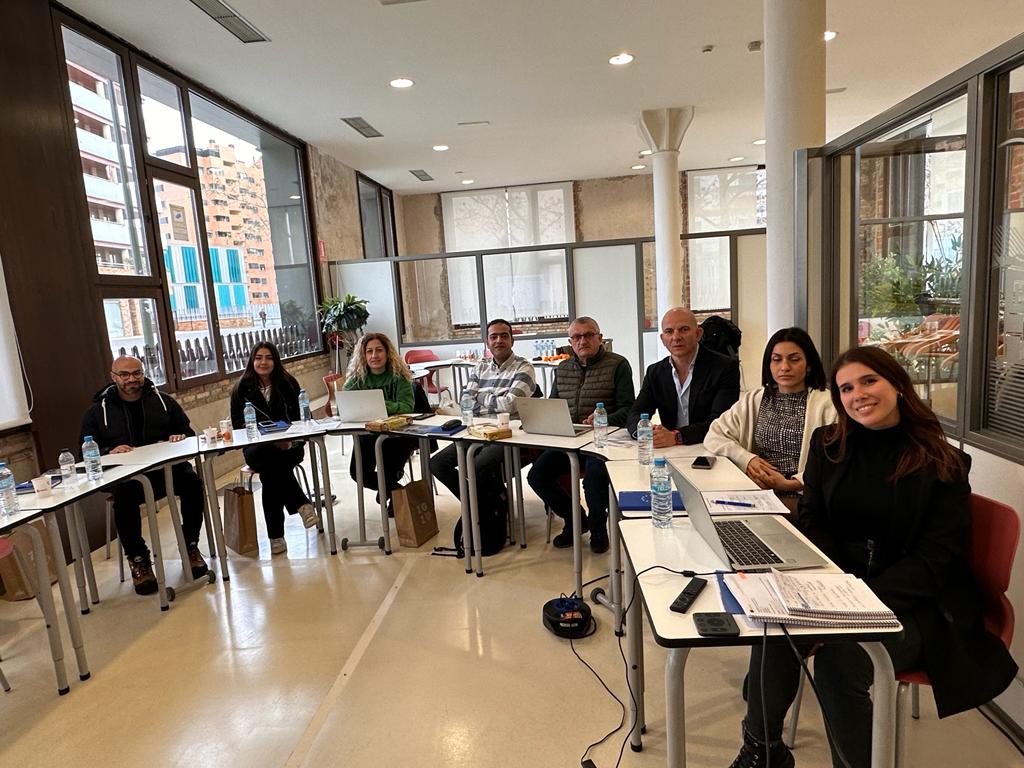
The Second Transnational Meeting

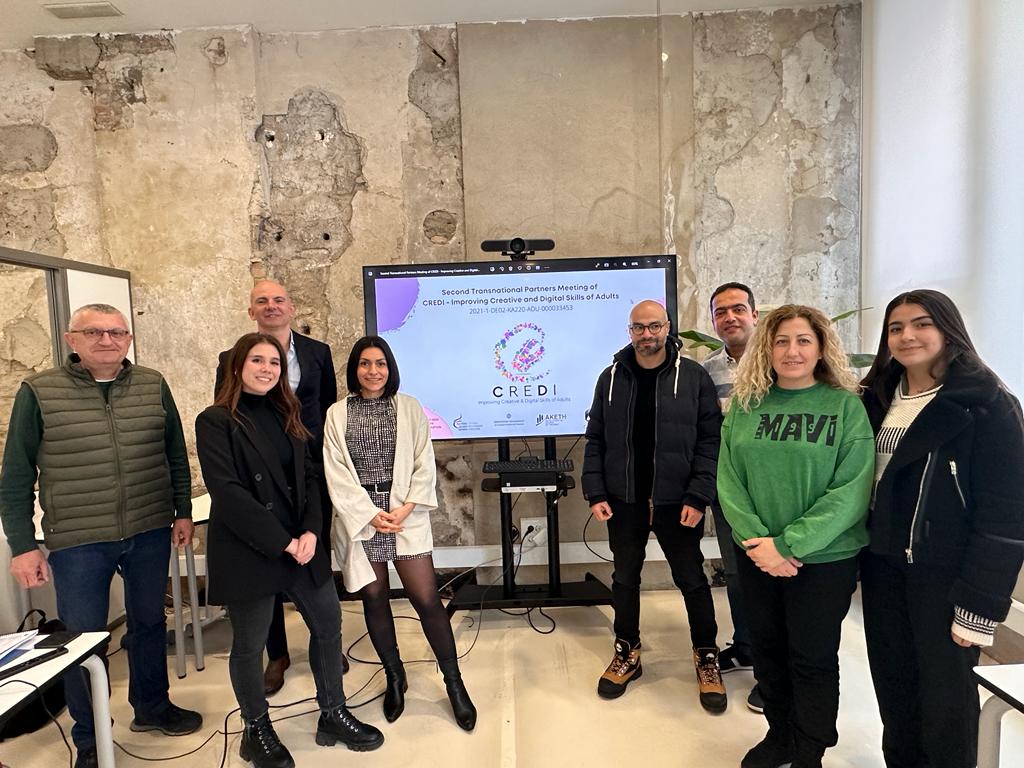
The second transnational meeting of the «Improving Creative and Digital Skills of Adults» project, with project number 2021-1-DE02-KA220-ADU-000033453, was held on 19 January 2023 in Zaragoza, Spain. All project partners participated in the meeting. Mooc and Blended Training courses, management process, dissemination, quality assurance and evaluation and monitoring of the project were discussed. The Minute of the meeting was prepared and sent all the partner. The project ended after the good wishes.

CREDI project aims to develop the creative digital skills of adults who have low creative digital skills. The unemployed/employed adults will have a chance to identify several «createch» skills determined using this methodology including image editing, graphic design, typesetting, animation, website design, art direction, photography, gamification, and video production.

Read more

December Online Meeting

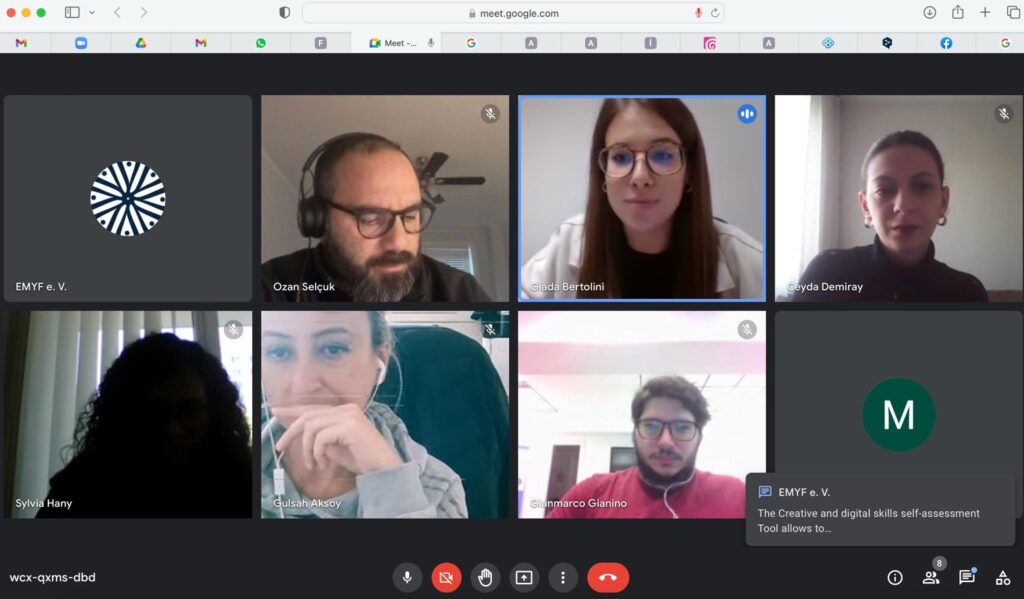
The monthly online evaluation meeting of the project «Improving Creativity & Digital Skills» (CREDI) is held on 12th December 2022.

During the meeting, project evaluation processes, dissemination and visibility tools and responsibilities in this regard were discussed. The work done so far was also discussed at the meeting and the first international transnational meeting to be held in Spain was discussed.

The CREDI project is an Erasmus+ project aiming to develop the creative digital skills of adults with less practical knowledge of innovative approaches.

Read more
Digital Skills

What are digital creative skills?

New technologies and creativity have become two complementary elements in today’s world. Creative technologies that increase interdisciplinary partnership have begun to appear in all areas of life. Primary schools, universities, employers who aim to develop their employees in business life have somehow introduced creative technologies into their working environments. Unlike in the past, when we say digital, we have learned that not only software but also editing photos, editing videos, digitizing a map, preparing animations, defining visual data through a program and making it graphic are also a part of our minds. But do we know the full extent of this?

According to Kate Farrell from Nesta, the answer to the question of what is digital creativity is “It covers a lot of different areas of digital making including the media literacy/moving image education areas of computer animation, multimedia, stop-motion animation, audio, video and still image. It also covers the computing/computational thinking areas of coding, mobile app development, games development, web development, 3D modelling, physical computing, web and social media skills, and information and data skills. I would love to have a dialogue with others about this!” The common features of this definition and many other definitions can be listed as follows; 

-Any creativity driven by technology

-All kinds of creativity revealed through digital technologies

-To be able to reveal creativity in digital environments and platforms

-Works that produce all kinds of original and creative results mediated by digital Technologies

Different branches of digital creative technologies are suitable for different user groups, so we can say that there is a digital technology that will reveal creativity for every occupational group. Having knowledge about digital technologies and what creative thinking means gives us an important privilege to use creative technologies. Accordingly, in PISA 2021, Creative Thinking is defined as the ability to participate productively in an iterative process that involves generating, evaluating and improving ideas that can result in new and effective solutions. Creative thinking is provided by external conditions as well as content knowledge, curiosity, confidence, goal orientation, and task motivation and can be both an individual and collaborative effort.

What does progression look like in digital creative capability?

There are two useful EU frameworks in the European context: DigComp 2.0 (Vuorikari et al., 2016) and the DoCENT Competence Framework for Digital Creative Teaching constitute 2 different and important frameworks in this regard.

In DigComp 2.0, digital competence described in 5 areas, of which the most relevant aspects to digital creativity are in below: 

1) Information and data literacy: To articulate information needs, to locate and retrieve digital data, information and content. To judge the relevance of the source and its content. To store, manage, and organise digital data, information and content.

2) Communication and collaboration: To interact, communicate and collaborate through digital technologies while being aware of cultural and generational diversity. To participate in society through public and private digital services and participatory citizenship. To manage one’s digital identity and reputation. 

3) Digital content creation: To create and edit digital content. To improve and integrate information and content into an existing body of knowledge while understanding how copyright and licences are to be applied. To know how to give understandable instructions for a computer system. 

4) Safety: To protect devices, content, personal data and privacy in digital environments. To protect physical and psychological health, and to be aware of digital technologies for social well-being and social inclusion. To be aware of the environmental impact of digital technologies and their use. 

5) Problem solving: To identify needs and problems, and to resolve conceptual problems and problem situations in digital environments. To use digital tools to innovate processes and products. To keep up-to-date with the digital evolution.

 The lack of a definite framework for digital creativity has led to the emergence of different views in the process of learning digital creativity. You can find different views and detailed information on this subject in the article that inspired us.

References:

https://www.researchgate.net/publication/341727166_Digital_Creative_Skills_What_are_they_What_does_progression_look_like_How_are_they_developed_What_promising_practices_are_there

Read more

Online Meeting

Monthly Online Meeting of the CREDI Project

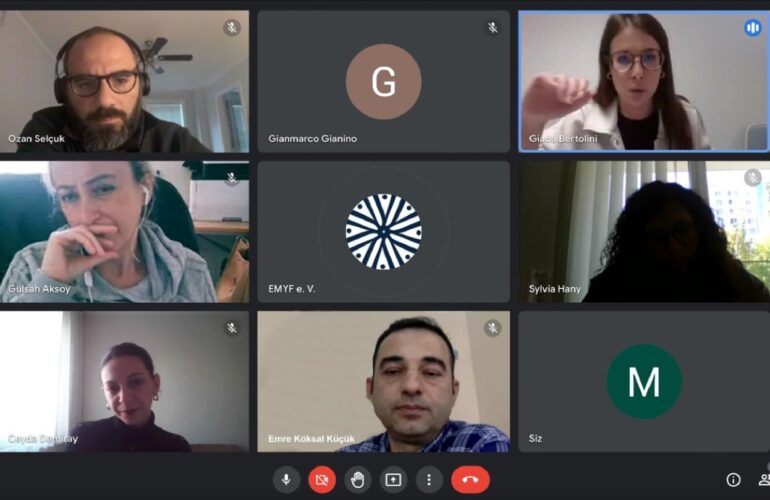
All the partners of the project came together for an online evaluation meeting on October 10, 2022.

At the meeting, the project processes, website and task distribution were discussed. The newsletter and dissemination of the project were also discussed.

Read more
  • 1
  • 2